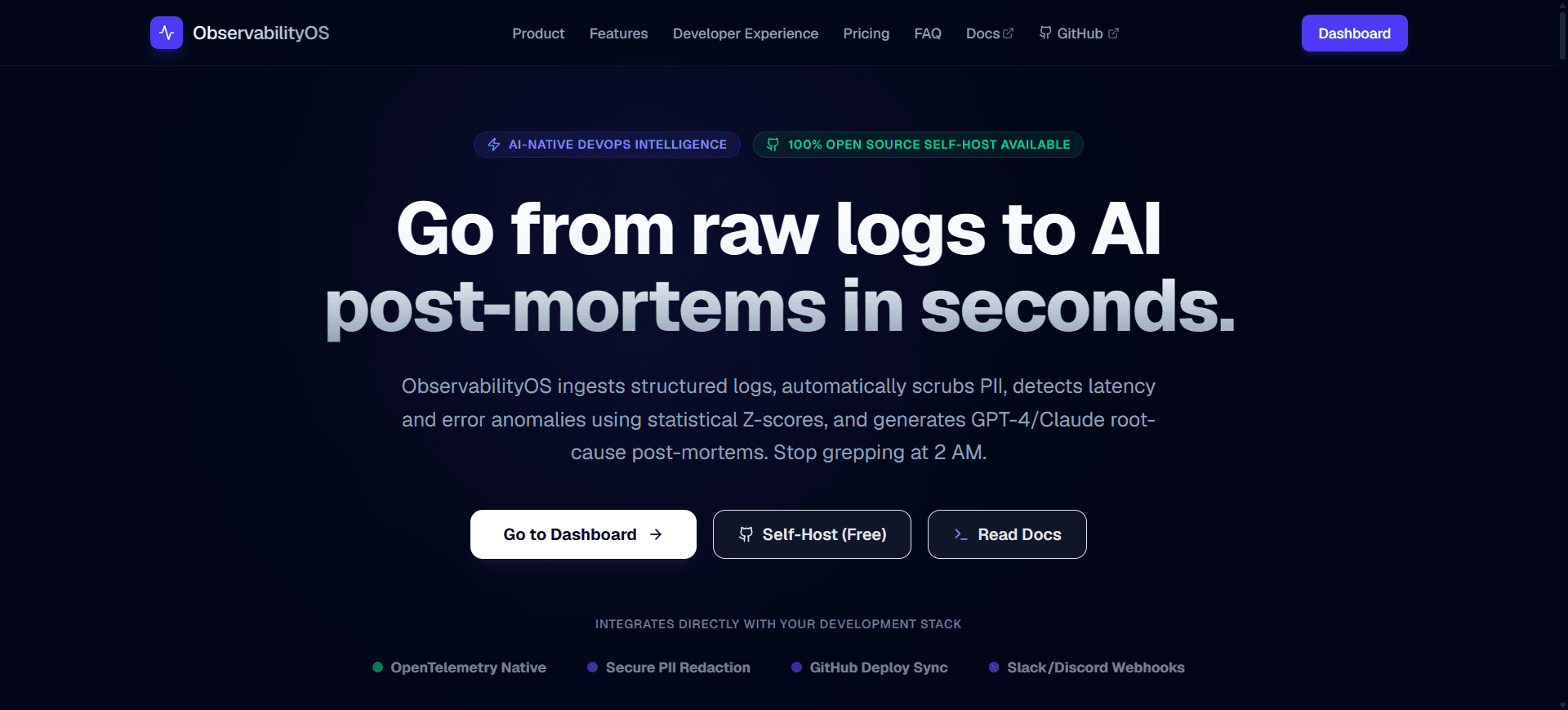
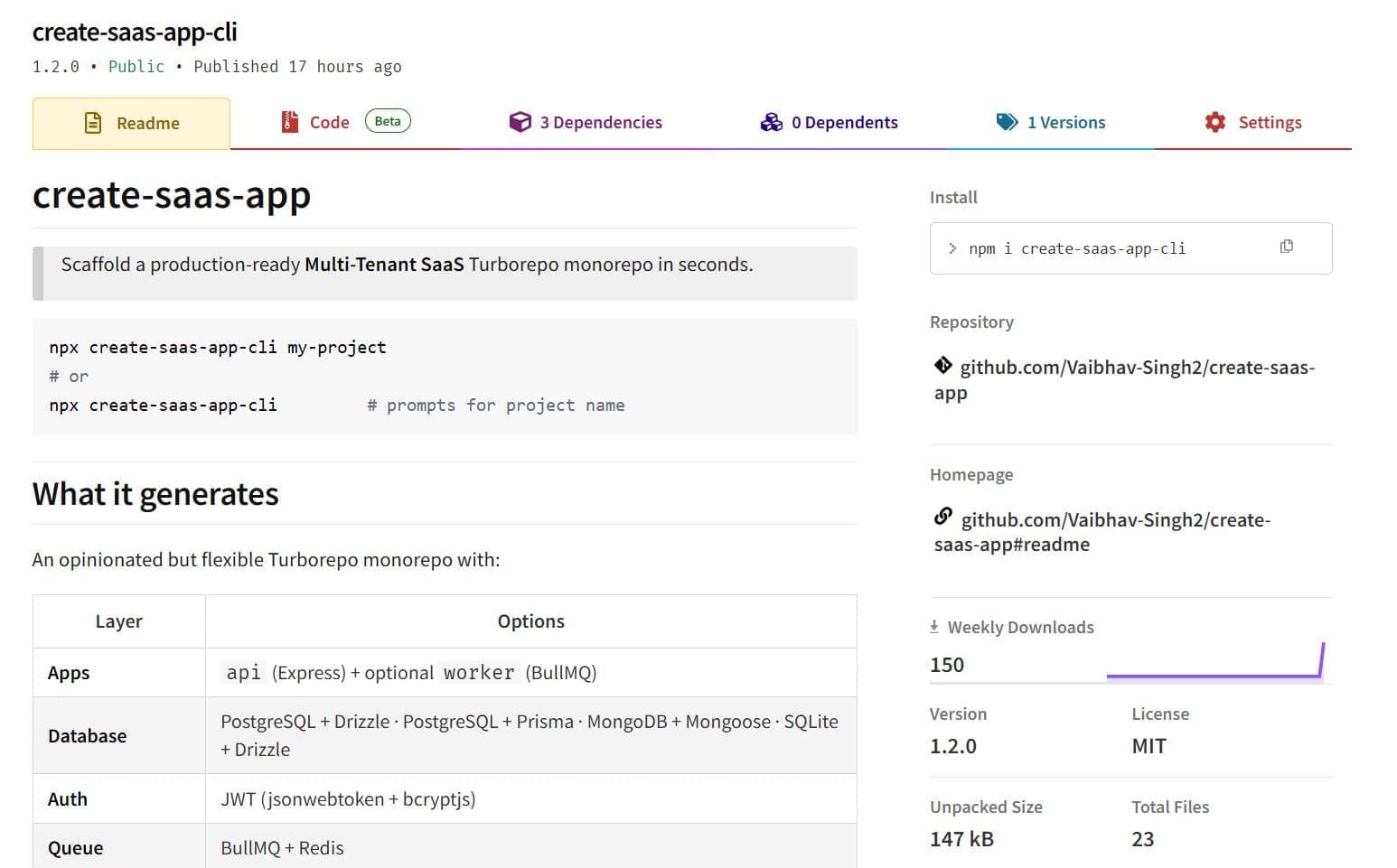
Open-source interactive CLI (npx create-saas-app-cli) that scaffolds a fully-configured Turborepo monorepo in seconds — with database, auth, queues, payments, observability, and CI/CD selected interactively at prompt time.
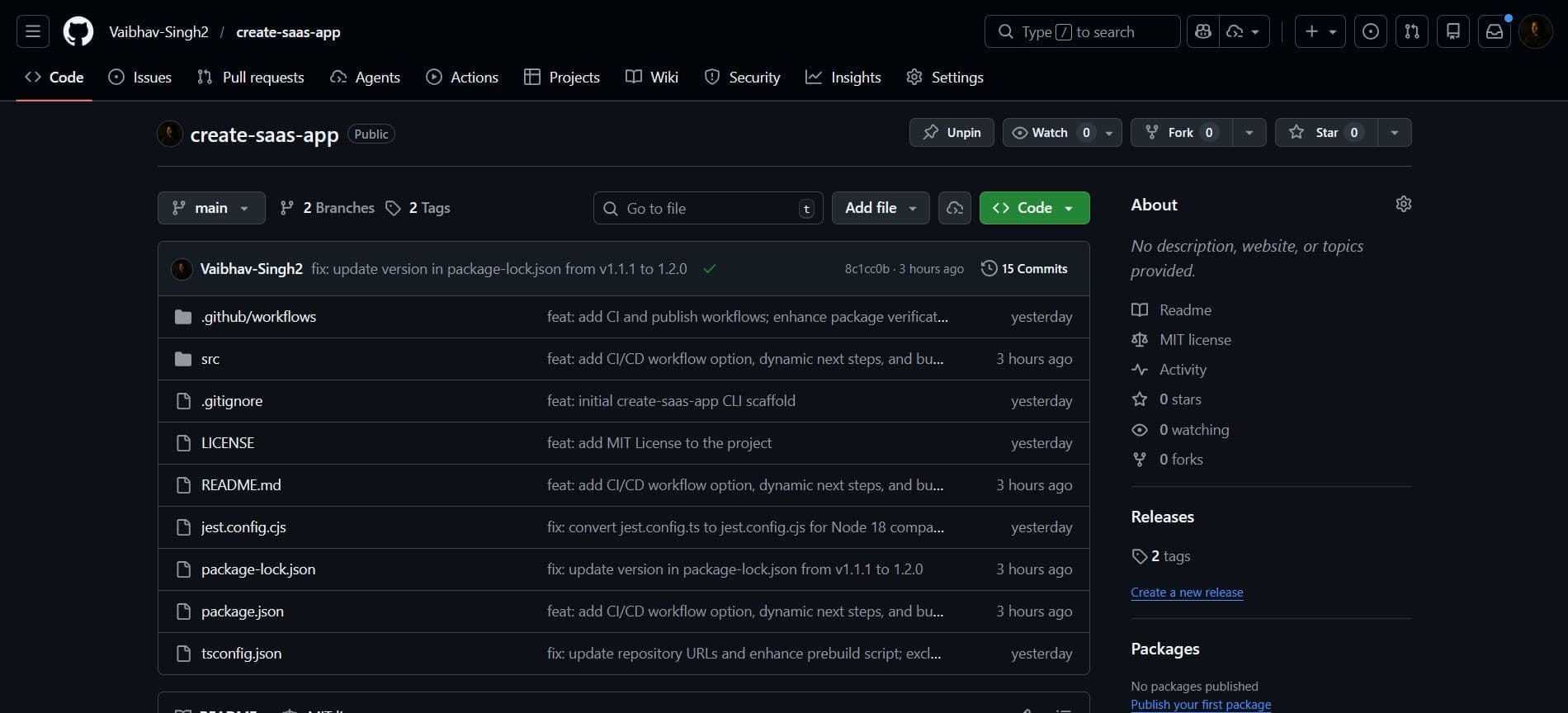

AI-native log analytics and incident response platform with real-time streaming, statistical anomaly detection, and multi-provider LLM diagnostics.
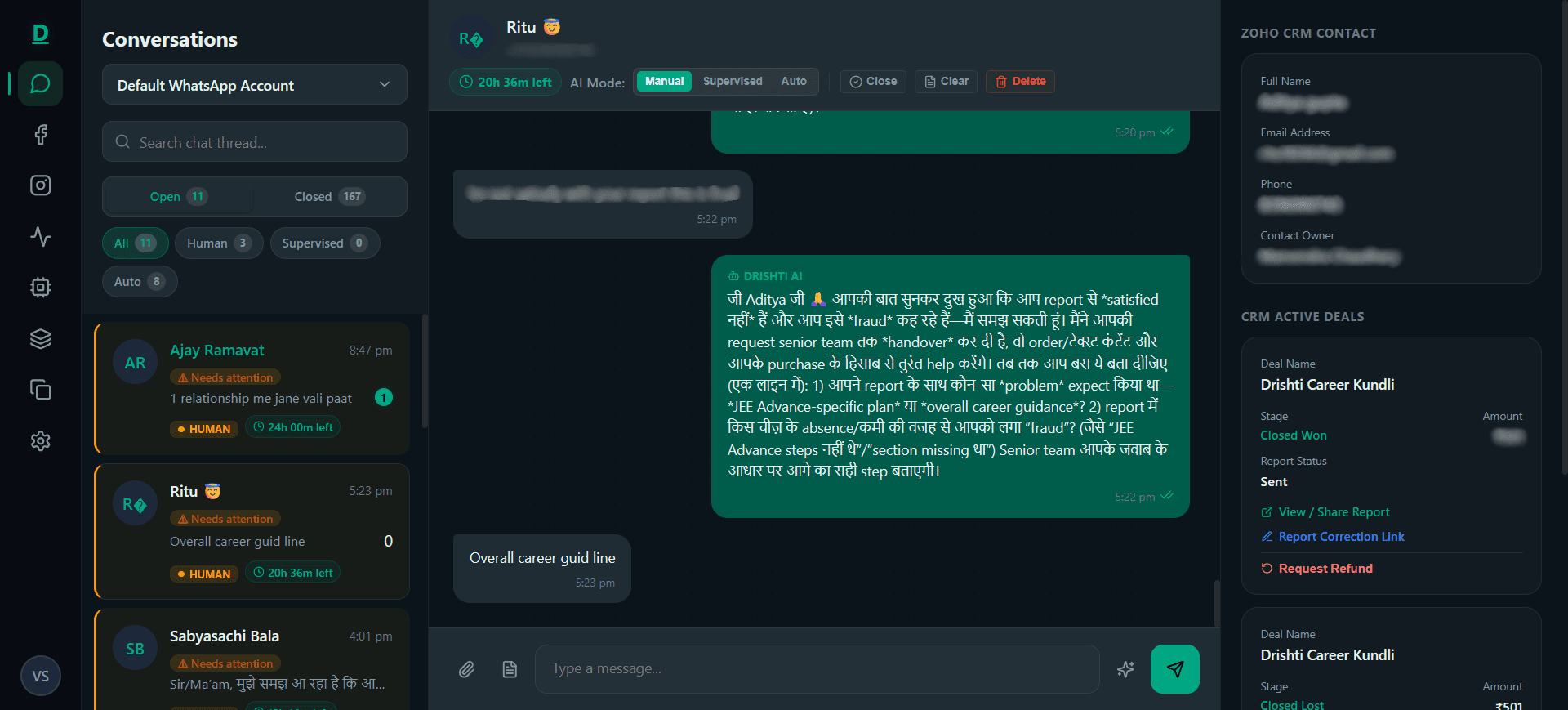
Enterprise WhatsApp Business inbox replacing third-party BSPs with a custom Meta Cloud API integration, multi-provider AI agent (Claude/GPT-4o/Gemini), RAG knowledge base, and real-time Zoho CRM data — achieving 89.7% AI self-service rate and 96% reduction in lead response time.
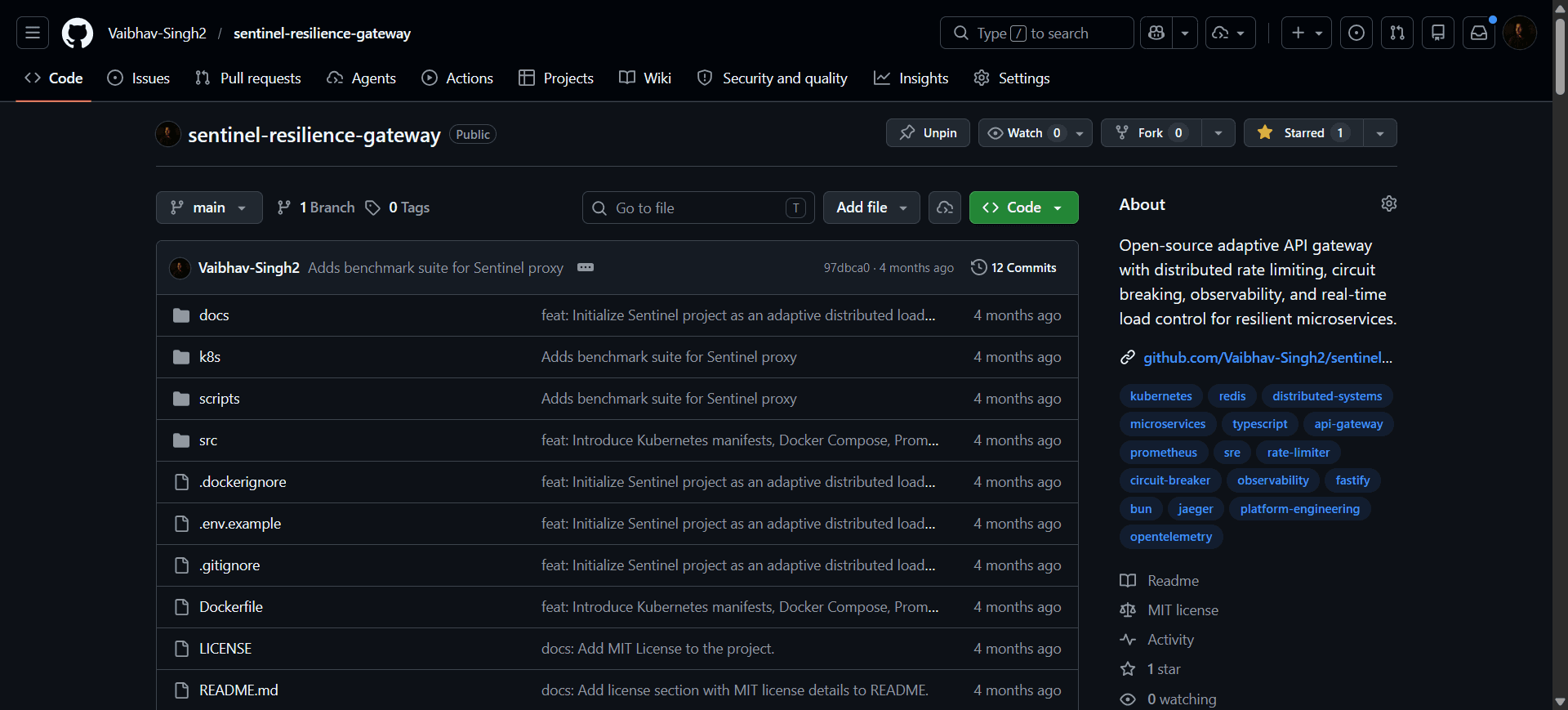
Open-source adaptive HTTP reverse proxy in TypeScript/Bun, sustaining ~6,800 req/s at p99 41ms baseline. Protects distributed backends from traffic spikes and cascading failures via hybrid rate limiting, distributed circuit breaking, and real-time pressure-based throttling.
Client
Open Source (Personal)
Timeline
Aug 2025 – Present
My Role
Creator & Lead Maintainer
Category
OPEN SOURCE
create-saas-app is an open-source CLI and architecture blueprint for building modern, production-ready SaaS platforms. It generates a modular monorepo with Next.js (RSC) frontend, Express.js API, BullMQ worker, and a suite of shared packages for config, database, auth, queue, and logging. The stack supports PostgreSQL/MongoDB/SQLite, Redis, Prometheus, and Grafana, with Docker Compose orchestration for local and cloud deployments. The CLI enables rapid bootstrapping of new SaaS products with best practices for type safety, observability, and developer velocity. With 36+ unique project permutations across 4 database options, 3 package managers, and multi-rate-limit strategies, it eliminates 1–3 days of setup boilerplate per project.
One-command CLI scaffolding (npx create-saas-app-cli) for SaaS monorepos
Template-as-code architecture — pure TypeScript functions, no static assets
Composable scaffold — each optional feature independently toggled at prompt time
Multi-ORM support: Drizzle (Postgres/SQLite), Prisma (Postgres), Mongoose (MongoDB)
Next.js 15 frontend with App Router and RSC
Express.js API with modular routing and validation
BullMQ worker for background jobs and async processing
Docker Compose for local dev with PostgreSQL/MongoDB and Redis
Optional Prometheus, Grafana, and Loki for observability
Built-in auth (JWT + bcrypt), payments (Razorpay), email (Resend/Nodemailer)
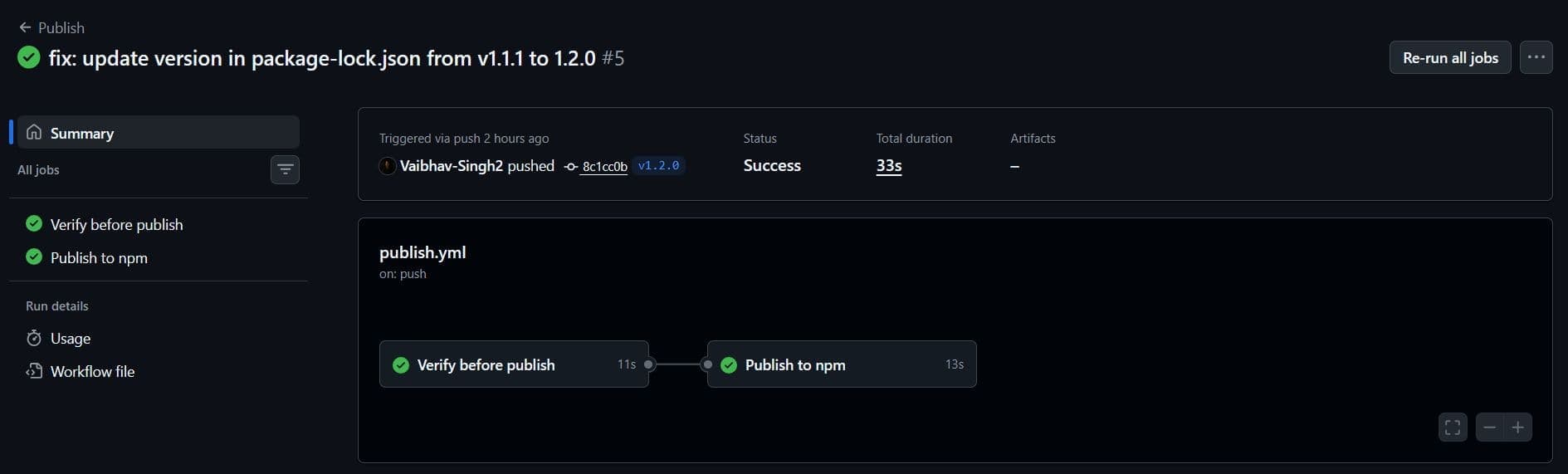
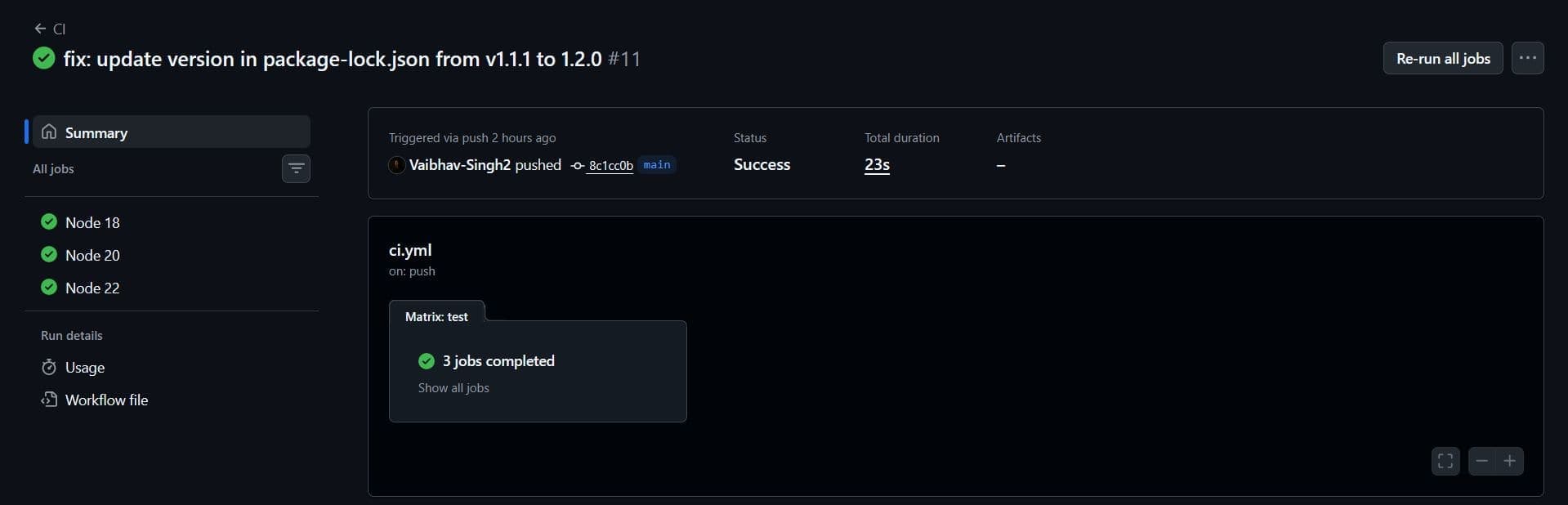
CI/CD pipeline with automated npm publish gate (build → test → dry-run)
Polished UX with @clack/prompts, directory-conflict guard, and post-scaffold dependency install
TypeScript-first, with unified types across all apps/packages
The Challenge
Bootstrapping a production-ready multi-tenant SaaS backend from scratch wastes 1–3 days of setup time for every new project. Developers need to wire up database, auth, queues, payments, observability, and CI/CD — all from scratch. Existing boilerplates were either too opinionated, lacked modularity, or failed to address real production concerns like monitoring and deployment.
The Solution
Designed a template-as-code architecture where all generated file contents are pure TypeScript template functions (not static files on disk), making the CLI a fully self-contained npm package with no extra assets. Each optional feature (auth, queue, payments, email, observability, Next.js web app) is independently toggled at prompt time and only wired into the generated codebase when selected. Implemented a unified database package interface that correctly emits Drizzle, Prisma, or Mongoose schemas based on a single prompt choice. A prepublishOnly script enforces a build → test:ci → pack --dry-run pipeline before any npm publish, preventing broken releases.
Open Source (Personal)
Aug 2025 – Present
Creator & Lead Maintainer
20 Technologies
Published to npm (v1.2.0) — anyone can bootstrap production-grade SaaS infrastructure with a single npx command
Generates 20+ files across 10+ packages per run with 36+ unique project permutations
Eliminates 1–3 days of SaaS project setup boilerplate per project
Composable scaffold keeps output projects lean — only selected features are wired in
Self-contained npm package with zero static assets required